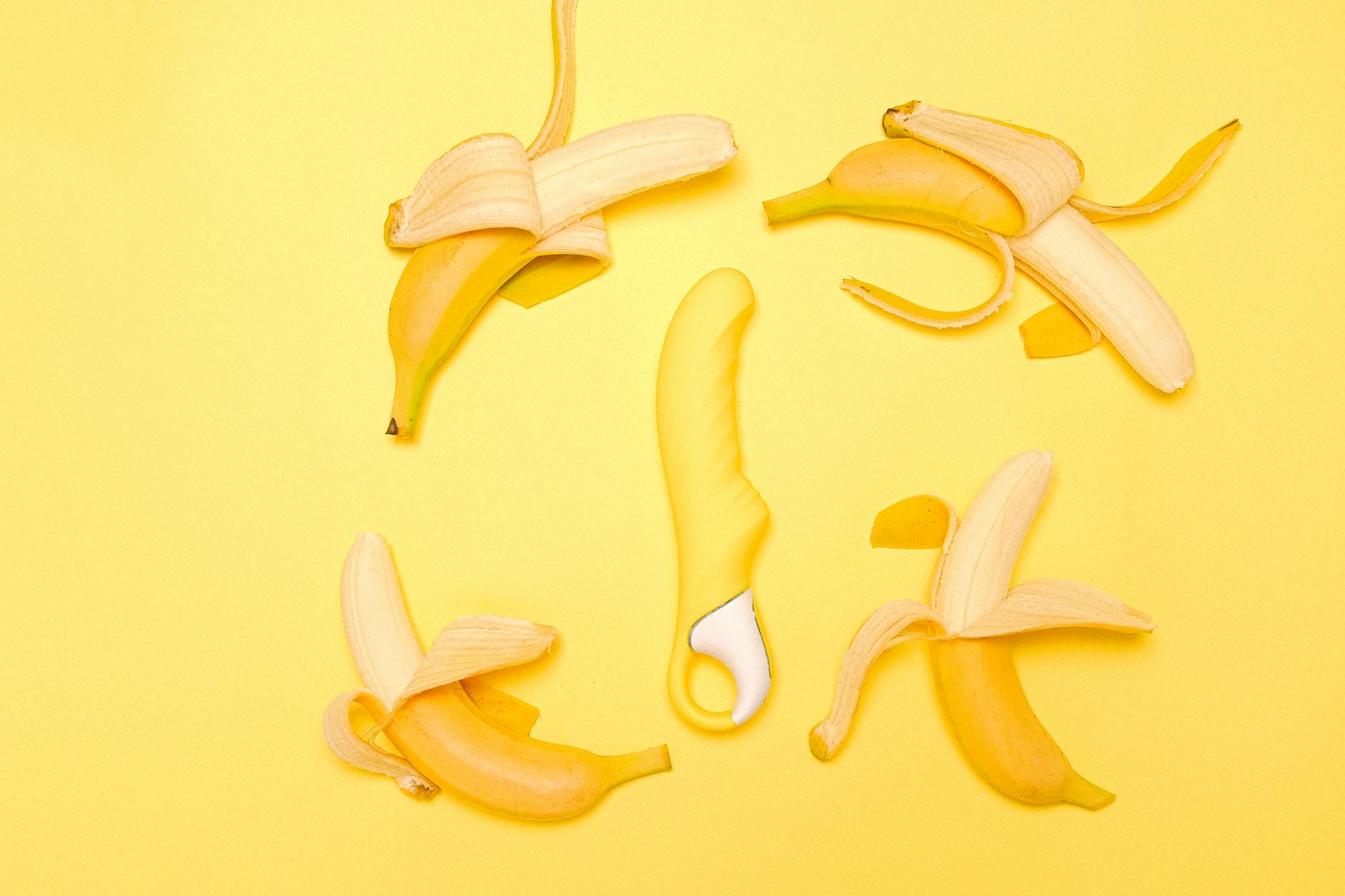
Here's the thing nobody tells you about reduced sensitivity
Reduced clitoral sensitivity doesn't mean your body is broken. It usually means your nervous system is adapting to something. Stress, medication, hormonal shifts, or even years of the same stimulation can all numb the sensation. And the worst part? Trying harder makes it worse. Friction, vibration intensity, pressure—none of that wakes things up. If anything, it exhausts you faster.
That's where air-suction lemon vibrators like the Lem change everything.
Instead of traditional vibration, air-suction technology creates a gentle pulling sensation that stimulates nerves differently. It's less about pressure and more about sensation traveling through deeper tissue layers. For people with reduced sensitivity, this often means orgasms actually feel stronger, not weaker.
Why sensitivity drops in the first place
Reduced clitoral sensitivity happens for a bunch of overlapping reasons, and understanding which one applies to you changes your approach entirely.
Hormonal shifts are the most common culprit. Lower estrogen and testosterone both numb sensation over time. So do certain medications like SSRIs, which dull sensation as a side effect. Stress and pelvic floor tension create a numbing effect too. Your muscles clench so hard they cut off blood flow, which means less sensation. Then there's desensitization from repetition. Using the same toy, the same pattern, the same pressure for years—your nervous system stops noticing it.
Age isn't the enemy here. Attention is. Small changes in pressure, location, or sensation usually help way more than just cranking up the intensity.
Why air-suction works better than traditional vibration for low sensitivity
A standard vibrator moves back and forth thousands of times per second. That's intensity. But for someone with reduced sensitivity, intensity without variation just becomes background noise.
Air-suction creates a rhythmic pulling sensation instead. The Lem, for example, uses gentle suction patterns that draw the clitoral tissue slightly into a chamber, then release. That pulling action stimulates the clitoris from multiple angles and depths simultaneously. It's like the difference between tapping someone on the shoulder once versus waving your hand in front of their face. One registers faster because the stimulus is complex.
For reduced sensitivity specifically, this complexity is everything. Your nervous system perks up because the sensation is novel and multidirectional. And because suction doesn't rely on friction, you can use it longer without soreness or exhaustion.
The warm-up that actually works
Forgot the five-minute preamble. Reduced sensitivity needs a different warm-up entirely.
Start with touch before you touch the clitoris. Your inner thighs, the skin where your thigh meets your vulva, your mons pubis, the sides of your labia. Spend five to seven minutes here. This isn't foreplay in the traditional sense. You're waking up the entire area, not rushing toward the main event.
Then, before using the lemon vibrator, try manual stimulation with a completely flat hand or gentle finger pressure. Slow circles. Change the pressure subtly. This teaches your nervous system to pay attention again. You're retraining sensitivity through variation, not intensity.
Only then move to the Lem. Start on the lowest setting. Let it hover, don't press. The suction should feel like a gentle hug, not a grip. Patience here pays off wildly.
How to actually build intensity with a lemon vibrator when sensitivity is low
Here's where most people get it wrong. They assume "if one setting doesn't work, try a higher one." That's the opposite of what works.
Instead, build intensity through pattern variation and location changes. The Lem has multiple patterns. Your first session might only use pattern one. That's fine. Spend fifteen minutes on it. Your nervous system is relearning what sensation feels like.
Session two, move the vibrator around slightly. Different spots on the clitoris will have different sensitivity levels. The left side might respond faster than the right. The very tip might be numb but the area just below the clitoral hood might be alive. Map it. Find the hotspots.
Session three or four, try pattern two once you've warmed up. Don't jump straight to two. Let one do its job first. You're not racing.
As your sensitivity rebuilds over days and weeks, the same intensity might start to feel much stronger. That's not the vibrator changing. It's your body waking back up. Then you can experiment with higher patterns and longer sessions.
For many people, this progression takes three to four weeks. That's normal.
The role of breathing and pelvic floor relaxation
Reduced sensitivity and tension are best friends, and you can't beat one without addressing the other.
When you're frustrated that sensation isn't happening, your pelvic floor automatically clamps down. You're literally choking off sensation with muscle tension. You need to reverse that.
Before and during use, practice pelvic floor breathing. Inhale for a count of four, and as you exhale, actively relax your pelvic floor. Imagine the muscles underneath your vulva softening, releasing, loosening. Don't Kegel. Do the opposite. Dropping down and softening.
During stimulation, keep breathing through your belly, not your chest. Chest breathing keeps you tense. Belly breathing tells your nervous system it's safe to relax. Safe muscles are sensitive muscles.
If you're unfamiliar with pelvic floor relaxation, this is worth learning. It's often the missing piece. You could have the best lemon vibrator in the world, but if your pelvic floor is locked tight, you won't feel it.
When sensitivity loss is tied to your relationship or emotions
Sometimes reduced sensitivity has nothing to do with hormones or medication. It's relational.
You've been with the same partner for years. Desire has flatlined. You're resentful about household labor or emotional support. You've drifted. Your clitoris didn't forget how to feel pleasure. Your brain put a guard up.
In these cases, a lemon vibrator helps, but only partially. How to build pleasure back into a long-term relationship requires the emotional work alongside the physical technique. You might need to have hard conversations about what you actually need. You might need help from a therapist.
The vibrator is permission, not solution. It tells your body "pleasure matters." But if you're angry or disconnected, your nervous system won't fully cooperate, no matter how good the tool is.
Using a lemon vibrator when you want to rebuild sensation as a couple
If reduced sensitivity happened in a partnered context, bringing the toy in can feel charged. You might worry it means you're broken or he's not enough.
He's not. You're not. Sensitivity fades in long relationships. It's neurological, not emotional.
Here's what helps. Use the lemon vibrator solo first. Relearn what your body feels. Build your own pleasure back. Then, when you feel reconnected to your own sensation, introduce it together. Let your partner watch. Let them hold it sometimes, but keep control. You're teaching each other what works now, not what worked five years ago.
How to introduce a lemon vibrator to your partner after years solo has more depth on this, but the core idea is the same. Reduced sensitivity heals faster when you're both patient and curious instead of frustrated.
Medication and sensitivity what to mention to your doctor
If you're on an SSRI or other medication that numbs sensation, this is worth flagging to your prescriber.
You might have other options. Different SSRIs affect sexuality differently. Timing the dose differently sometimes helps. Adding a medication to counteract the numbness is sometimes an option. But these conversations only happen if you bring them up.
Hormonal birth control can reduce sensitivity too. So can hormonal shifts from menopause, perimenopause, or postpartum changes. If the timeline aligns, mentioning it to your GP matters. They might suggest topical hormone treatments or other options.
Most doctors don't ask about sexual sensation unless you tell them it matters. And it does.
The patience piece, because it's the whole game
Rebuilt sensitivity doesn't happen overnight. You might use the Lem for a week and feel nothing different. That's not failure. That's your nervous system slowly waking up.
Think of it like coming back from a long injury. Your clitoris didn't forget how to feel. It just needs a gentle, consistent signal that it's safe to pay attention again.
Three to four weeks of consistent use, with patience and curiosity, usually brings noticeable change. Some people feel it in days. Others take months. There's no "right" timeline.
The key is using the vibrator without expectation. You're not trying to make something happen. You're giving your body information and waiting for it to respond. That shift in mindset—from forcing pleasure to inviting it—is often what makes the real difference.
People also ask
Can reduced clitoral sensitivity be permanent?
No. Reduced sensitivity is almost always reversible. Even hormonal changes that numb sensation can be addressed with topical treatments, medication adjustments, or time. The nervous system is adaptive. It learns to numb in response to stress or repetition. It also learns to wake back up when the stimulus changes and the emotional environment feels safe.
Is a lemon vibrator better than a traditional vibrator for low sensitivity?
Often, yes. Air-suction vibrators create a different kind of stimulation that registers differently in the nervous system than traditional buzzing vibrators. For low sensitivity specifically, the novelty and complexity of suction patterns often helps more than straight vibration intensity. That said, some people respond better to one or the other. Trying both is the only way to know.
How long does it take to feel sensation return?
Most people notice shifts within two to three weeks of consistent use with a lemon vibrator. Some feel changes within days. Others take four to six weeks. The timeline depends on what caused the sensitivity loss in the first place. Stress-related numbness often responds faster than hormonal numbness. Consistency matters more than intensity.
Should I use a lemon vibrator alone or with a partner when rebuilding sensitivity?
Start alone. You need to relearn your own body without performance pressure or someone else's timeline. Once you've spent a few weeks rebuilding your own sensation, bringing a partner in can deepen connection. But solo exploration first gives you the clarity and confidence you need.
What if I try a lemon vibrator and still don't feel much?
That's information, not failure. It might mean the numbness is emotional or relational rather than physical. It might mean you need a longer warm-up period. It might mean a different technique. Try varying the approach: different times of day, different locations, different breathing patterns, longer warm-ups. If nothing shifts after consistent effort over several weeks, it's worth talking to a healthcare provider about underlying causes.
Can reduced sensitivity come back suddenly?
Sometimes. Big emotional shifts, stress reduction, relationship reconnection, hormonal changes, or even just taking a break and coming back can suddenly unlock sensation. That's why returning to pleasure after a break sometimes feels electric. You've removed the pattern that created numbness. Your nervous system is noticing again.
The bottom line
Reduced sensitivity isn't weakness or brokenness. It's an adaptation. And like any adaptation, it can shift. A lemon vibrator offers different stimulus than you've probably tried before. Combined with patience, good breathing, pelvic floor relaxation, and emotional honesty about what's actually happening in your body and your relationship, it often brings sensation roaring back.
Your pleasure matters. Your body remembers how to feel. It just needs time, the right tools, and permission to wake up again.