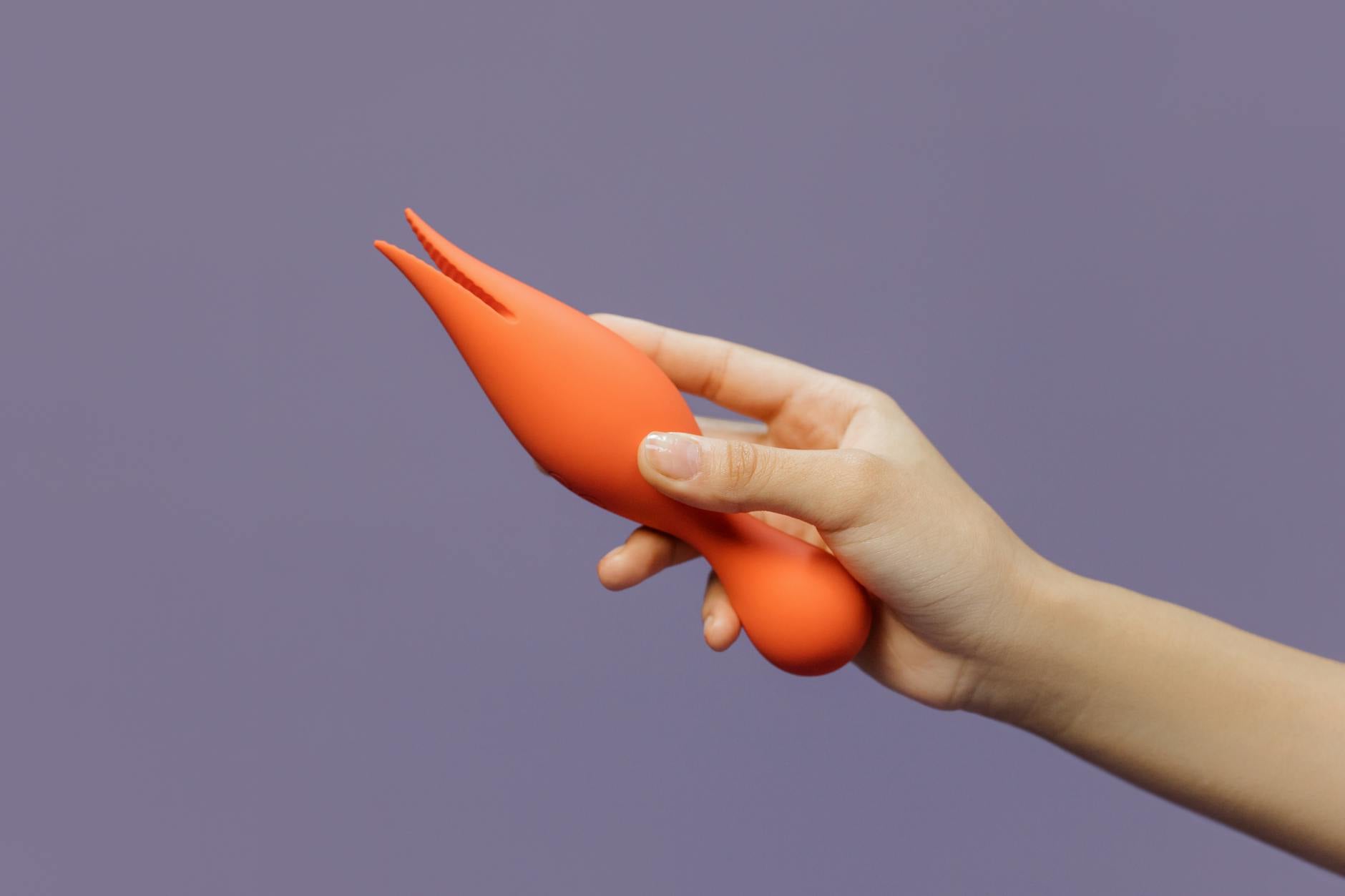
The thing nobody tells you about vibrators
You don't have all the same nerve endings in the same places. This isn't controversial or weird. It's just anatomy. And it means that a lemon vibrator that absolutely works for your best friend might feel mediocre, painful, or not even noticeable for you. Choosing a clitoral vibrator based on reviews alone is like picking a bra size based on what someone else found comfortable. It won't fit.
Let me walk you through what actually matters when you're picking a lemon sexual toy that works with your body instead of against it.
Size matters. But probably not how you think.
Smaller vibrators get marketed as "travel-friendly" or "discreet," which is fine if that's your priority. But here's the thing: if your clitoris is naturally more prominent or if you prefer stimulation spread across a wider area, a tiny vibrator might miss the target entirely. You'll spend the whole time hunting for the right angle instead of actually enjoying yourself.
Larger devices like the Avocado give you more surface area to work with. That means less precision needed and more forgiveness if you're not hitting the exact same spot every single time. For people who are new to clitoral vibrators or who find smaller devices frustrating, this is often the difference between "meh" and "actually good."
There's no universal "best size." What matters is that the vibrator feels intuitive to hold and covers the area you actually want to stimulate. If you're using your non-dominant hand, weight and grip matter too. A vibrator that's too heavy or has an awkward shape becomes a workout instead of a pleasure tool.
Shape isn't just aesthetic
Lemon vibrators have a distinctive rounded, curved design. That shape was intentional. The gentle contour fits most bodies well and makes it easier to position without a lot of adjustment. But not every body responds the same way to that curve.
Some people have more success with a flat or broad head. Others prefer a pointed tip for more concentrated stimulation. The shape of your clitoris varies from person to person. If you're someone whose clitoris is more internal or hooded, you might need something with a narrower profile that can reach between the folds. If your clitoris is naturally more prominent, a broader head might feel better.
The texture of the head matters too. Silicone feels different from softer rubber. Some people prefer the gentle give of softer material. Others find that too diffuse and want something firmer. There's no wrong preference. There's only what your nerves actually respond to.
Intensity and pattern flexibility
This is where your personal tolerance and preference comes in. A lemon vibrator might have multiple speeds and patterns. That's nice. But "more patterns" doesn't mean "better" if you don't actually like half of them.
Some people get overwhelmed by too many choices and actually prefer a vibrator with two or three solid settings. Others love having ten different rhythms to explore. Think about your own patterns in other parts of your life. Do you like customization or do you prefer simplicity? That usually transfers to vibrator preference too.
Intensity tolerance varies wildly. If you have a sensitive clitoris, you might find that anything above medium intensity hurts rather than feels good. Lower intensity doesn't mean less pleasure. It just means the stimulation is calibrated to what your nerves can actually handle. This is especially true if you're recovering from hormonal shifts. As I talk about in my piece on why lemon vibrators feel different after hormonal shifts, sensitivity can change significantly at different life stages.
Your anatomy matters more than the marketing
Here's what I tell clients: the best lemon vibrator for you is the one that requires zero adjustment once you've found the right angle. You shouldn't be hunting. You shouldn't be thinking. Your brain should be able to focus on sensation instead of logistics.
If you have a responsive clitoris that's easy to locate, you might do great with a smaller, more precise tool. If your clitoris is harder to find or you prefer broader stimulation, something with more surface area makes sense. If you have pelvic floor tension or pain with direct contact, suction-based stimulation might work better than traditional vibration.
For people with sensitivity issues, I often recommend starting lower and building up. Check out my guide on how to use clitoral vibrators if you have sensitivity issues for specifics, but the general principle is that intensity should be a choice, not a trial-and-error process.
Positioning and ergonomics
How your body sits and moves during pleasure affects which vibrator will actually work. If you're someone who likes to move a lot, you need something with a good grip. If you prefer staying still or lying back, a vibrator with a broader base for stability helps.
Your hand size matters too. If you have smaller hands, a vibrator that's too chunky becomes tiring. If you have larger hands, something tiny might be hard to control. This isn't vanity. It's mechanics. A tool that's uncomfortable to hold gets put down, no matter how good the sensation is.
Think about the positions you prefer. Are you usually on your back? On your stomach? Do you like partnered stimulation or solo? Some vibrator shapes work better in certain positions than others. A curved lemon vibrator is particularly good for positioning during partnered play because it's intuitive to angle. But that benefit only matters if partnered stimulation is actually something you do.
Material and sensation preference
Silicone, rubber, plastic, and other materials feel different against your skin. Some people have sensitivities to certain materials. Others just prefer how one feels. Your clitoris has skin just like anywhere else. If something feels wrong against it, that matters.
Also consider temperature. Silicone warms up quickly when used. Some people like that. Others find it uncomfortable. If you prefer consistent coolness, storing your vibrator in the fridge or using it immediately is a solution. But it's worth thinking about before you buy.
Durability also ties into material. Silicone lasts longer than some cheaper plastics. If you use a vibrator regularly, investing in better material means you're not replacing it every few months. That matters both financially and in terms of having something you actually like using.
Where to actually start if you're overwhelmed
If you're new to lemon vibrators entirely, I'd recommend starting with something in the middle. Not the cheapest, not the most expensive. Not the smallest, not the biggest. Something with a good grip, moderate intensity, and simple controls. Let your body tell you what you prefer, then you can get more specific next time.
For people who are over 35 or returning to pleasure after a long gap, I have more detail in my piece on the best lemon vibrator for first time users over 35. The approach is the same. Start with something that feels accessible, build confidence, then refine.
Don't get seduced by hype or what someone else loves. Your pleasure is personal. The tool that works is the one that fits your body and your preferences, not anyone else's.
FAQ
What if I try a lemon vibrator and it doesn't work for me?
That's not failure. That's data. You learned something about what doesn't work. Maybe it's too intense, too small, or the shape just isn't right for your anatomy. Try a different one. Your pleasure doesn't exist to match a specific toy. The toy exists to serve your pleasure. If it doesn't, a different one will.
Is one brand better than another for different body types?
Not necessarily. Different brands make vibrators with different sizes, shapes, and intensity levels. The Hello Nancy lineup includes options for different preferences. The Berri is smaller and lighter. The Lolly Mini Wand covers a broader area. The Lemon Clitoral Vibrator is the middle ground. Pick based on what your body tells you, not the brand name.
Can my body type change which vibrator works for me?
Absolutely. Hormonal changes, aging, pelvic floor tension, and other factors change your sensitivity and response. A vibrator that worked great at 30 might feel different at 40 or 50. That's normal. You can either adjust your technique or try something different. Your body evolves. Your tools can too.
What if I have pelvic pain or endometriosis?
Intensity and type of stimulation matter even more. Direct vibration can aggravate pain. Suction-based tools are often gentler. Start very low and listen to your body. A pelvic floor physical therapist can give you specific guidance. This isn't something to figure out alone.
How do I know if a vibrator is the right intensity for me?
The right intensity feels good without causing pain or numbness. If you're going numb, you're too intense. If it hurts, you're too intense. If it feels like nothing, you might need more. The sweet spot is where sensation feels clear and pleasurable, not overwhelming. This takes experimenting.
Should I buy the most expensive lemon vibrator?
Not necessarily. Price doesn't always correlate with how well it works for your specific body. A $65 vibrator might be perfect for you while a $150 option feels terrible. Invest in quality materials and reliable function, but price alone won't tell you if it's the right match.
The truth is that choosing a clitoral vibrator is a little bit like choosing shoes. The size, shape, and how it fits your foot matters infinitely more than brand reputation. You deserve a tool that works with your body, not against it. Spend time thinking about what you actually need, test when you can, and don't hesitate to keep looking until you find something that feels genuinely right.