Here's the thing nobody tells you
Introducing a clitoral vibrator to a new partner feels loaded because we've collectively decided it means something. Like bringing it up signals doubt, replacement anxiety, or that the relationship is already stale. It doesn't. But the fear that your partner will interpret it that way keeps most people silent, which usually means the conversation never happens at all.
I've worked with hundreds of couples navigating this exact moment. The ones who talk about it early, honestly, and without apology move forward together. The ones who hide it, sneak it in, or wait until they're resentful end up managing hurt feelings instead of pleasure.
Let's talk about how to have this conversation so it actually strengthens what you're building.
Why the conversation matters more than you think
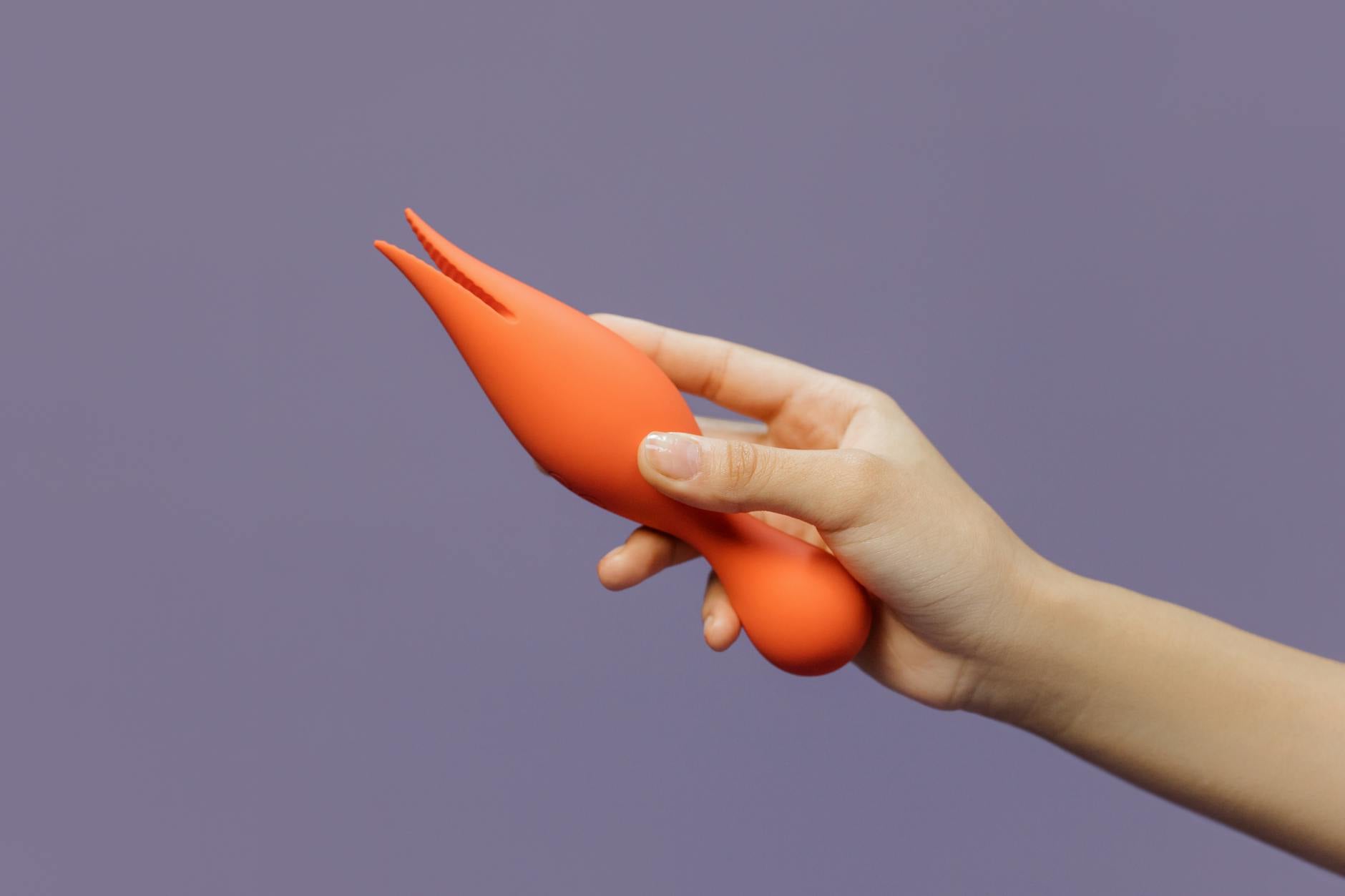
You already know lemon vibrators work. You know that clitoral vibrators like the Lem feel different than anything else, that they reduce friction, that they often deliver orgasms that feel better than what you've experienced. The data is clear: people who use them report higher satisfaction and more reliable pleasure.
But here's what changes when you're with someone new: it's no longer just about your body. It's about vulnerability, trust, and how they interpret what you're asking for. If you skip the conversation and spring it on them mid-intimacy, or if you ask permission in a way that sounds apologetic, they're filling in gaps. And the gaps usually get filled with insecurity.
The frame you set in this conversation shapes how they understand it forever. So the conversation itself is the work.
Timing: the one rule that actually matters
Don't introduce a lemon vibrator during sex if you haven't talked about it beforehand.
I know that feels obvious, but plenty of people try it anyway, thinking "they'll understand once we start." That's not how brains work. Your partner is already in a vulnerable state. They're focused on themselves, on you, on keeping rhythm. Suddenly introducing a new object creates a moment of surprise that hijacks their attention away from pleasure and toward questions.
Talk about it outside the bedroom. Not days before, not weeks before. A few days prior is ideal. This gives them time to process, ask questions, and feel genuinely curious by the time you're together.
Where should the conversation happen? Somewhere neutral and calm. Not during an argument. Not when you're both tired. Not in the five minutes before sex. Think: Saturday morning coffee, a walk, or that moment after dinner when you're both relaxed and actually listening.
The frame: ownership over apology
This is where most people get it wrong. They lead with "I don't think you're enough," wrapped in politeness. It sounds like: "I really love being with you, but I've been thinking about trying..." or "I hope you won't be offended, but I want to introduce..." or the classic nervous laugh version: "This might be weird, but..."
Each of these frames apologizes for your desire. Don't do that.
Instead, lead with ownership and curiosity. Here's a template that actually works:
"I've been using clitoral vibrators like the Lem for years, and they're something I really value in my pleasure. I want to bring that into sex with you because I think it could actually make things feel even better for both of us. I'm curious if that's something you'd be open to."
Notice what's in there: the word "I," clarity about what you're introducing, acknowledgment that it's part of your sexual life, genuine curiosity about their response. Notice what's not there: apology, qualification, self-deprecation.
If you're nervous, that's fine. You can even say that. "I'm a little nervous bringing this up, not because I think there's anything wrong with wanting it, but because I care what you think and I want us to be on the same page." That's honest without being apologetic.
What partners usually actually think (and what they won't say)
I've interviewed hundreds of partners too, on the other side of this conversation. The most common first reactions are:
Curiosity. "Will it feel different to me? Is that the point?" This is a genuine question they might not ask directly.
Relief. Many partners secretly wonder if they're "doing it right." Knowing that a particular sensation or tool contributes to your pleasure often lifts performance pressure.
Interest. A surprising number of partners actually think it's hot. They want to understand what you want, how to give it to you.
What they rarely think (despite what you imagine): "They don't want me anymore." That narrative is almost always you, not them.
But some partners do have a genuinely difficult reaction. They might feel insecure, or they might have beliefs about sex that make this feel threatening. That's a real conversation that deserves real attention. It's not about convincing them to accept it. It's about understanding what's underneath their reaction.
Ask: "What worries you about this?" Then actually listen. Not to argue back. To understand. Sometimes the worry is "Will you want me less?" Sometimes it's "Am I not enough?" Sometimes it's deep cultural conditioning about what sex should look like. Each of those needs a different conversation.
The reassurance that actually lands
Your partner probably needs to hear three things, though they may not ask for them:
This is about my pleasure, not replacement. "I want more pleasure in my body when we're together. This helps that happen. And that pleasure is more connected to you, not less."
You're not being judged. "I love how you touch me. This isn't about fixing anything that's broken. It's about adding something."
We can go slow. "We don't have to use it tomorrow. We can talk about when and how it feels right. And if it doesn't work the first time, that's totally fine." Permission to awkward is a huge gift.
The first time you use it together
Start small. This isn't the moment to use all eight patterns or to bring in other devices. Keep it simple: you introduce it, you show them how it feels (you can let them hold it, or not, depending on your comfort), and then you integrate it into sex naturally.
One option: use it alone while you're together, so they can see what brings you pleasure without the pressure of having to "do" anything. This actually teaches them more about what works for you than any explanation.
Another option: incorporate it into foreplay so there's no sudden shift. There's less novelty shock, and it feels like a natural escalation.
If it feels awkward the first time, that's okay. Awkward is information, not failure. You're both learning something new together. Most couples report that the second or third time is when it actually feels integrated and pleasurable.
When your partner resists (and what to do)
Sometimes they say no, or they agree but seem uncomfortable, or they use it once and then never bring it up again. This is where your actual relationship skills matter.
Resistance usually isn't about lemon vibrators. It's about control, vulnerability, or beliefs. If your partner resists, the question isn't "How do I convince them?" It's "What is this really about for us?"
If it's truly a dealbreaker for you, that's important information about compatibility. You deserve a partner who gets excited about your pleasure, not someone you have to convince to accept it. But most of the time, resistance softens when the person feels genuinely heard and not judged.
Try: "I notice you seemed hesitant. I'm not trying to push you. But I care about understanding what's going on for you." Then give space for an actual conversation.
Why this conversation builds intimacy
This is the thing I want you to know: partners who can talk openly about sex, pleasure, and bodies end up closer. They feel less alone in their desires. They're more likely to ask for other things they want. They trust each other more.
The conversation about lemon clitoral vibrators isn't really about the vibrator. It's about creating a relationship where desire is welcomed, where vulnerability feels safe, and where pleasure is celebrated.
That's worth the slight awkwardness of bringing it up.
FAQ: What partners actually ask
Will a vibrator make my partner want me less?
No. In fact, the opposite is usually true. People who have access to the pleasure they want tend to want more sex, not less. A partner who feels satisfied is more likely to initiate, to be present, and to prioritize intimacy with you. The Lem and other lemon vibrators are tools for increasing pleasure in partnered sex, not replacements for it.
How do I know if my new partner will be open to this?
You don't until you ask. But people who are secure, curious, and genuinely interested in your pleasure usually respond well. If someone reacts with shame or control, that's useful information about whether you want to build something with them. Sexual shame in a new partner is often a red flag for other boundary issues down the line.
What if I'm embarrassed to talk about it?
Embarrassment is normal. It usually comes from messages you absorbed about pleasure being private or shameful. Your new partner likely won't feel as much shame as you're imagining. The conversation is usually less awkward in reality than it is in your head beforehand. Take a breath, use the language that feels true to you, and remember that asking for what you want is attractive.
Can I just leave a clitoral vibrator on the nightstand so they see it?
You can, but it's a less direct conversation. Some partners will take the hint. Others will feel confused or like something was being hidden. Direct is kinder, even if it feels riskier.
What if my partner wants to use it with me and I'm not sure how?
Talk about it. "I love that you're interested. I'm not sure how I feel about that yet, and that's okay. Can we explore it together?" Permission to move slowly is critical. Some people love partners using toys on them. Some prefer using them independently during sex. There's no right way. The right way is the one that feels good to both of you.
Is bringing a vibrator into a new relationship too forward?
No. Your pleasure is not too much. Your wants are not too forward. If someone makes you feel that way, that's about them, not about you. You deserve a partner who thinks your orgasm is worth talking about.
The bottom line
Talking about lemon vibrators with a new partner is actually easier than most people imagine, and it usually brings you closer. You're not asking for permission. You're inviting someone you care about into a part of your sexual life that matters to you. When it's framed that way, most partners respond with curiosity instead of defensiveness.
The conversation is the intimacy. Do it well, and everything else follows.