The arousal speed mismatch is more common than you think
One of you gets turned on from a kiss. The other needs fifteen minutes of context, conversation, and touch to even register desire. Neither of you is wrong. Neither of you is broken. You're just operating on different timelines, and trying to force synchronization is where most couples hit a wall.
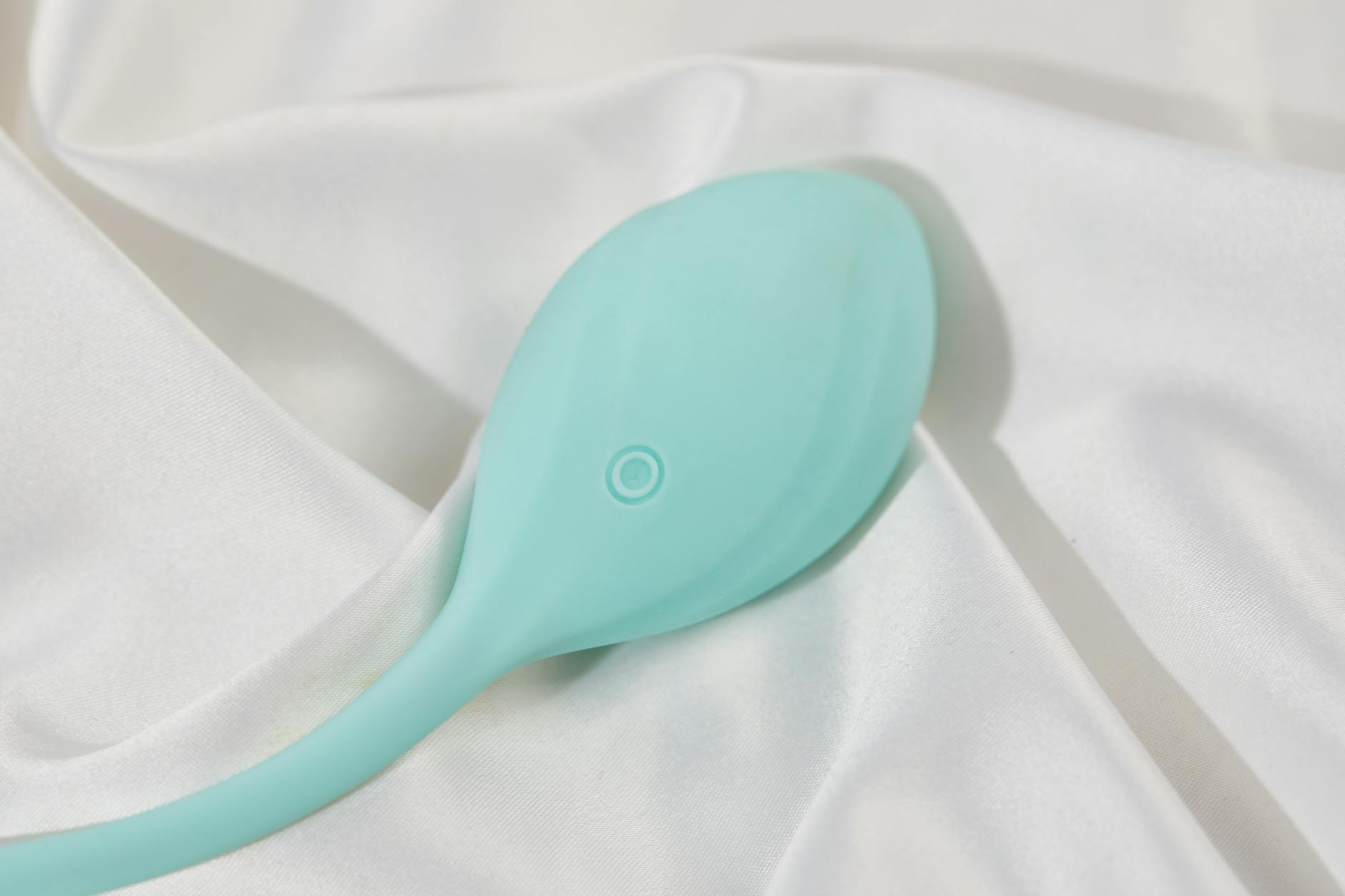
I see this in session constantly. One partner feels rejected because the other "takes too long." The slower partner feels pressured, which actually slows them down further. Everyone ends up frustrated, and sex becomes something to manage rather than something to share. The irony is that a lemon clitoral vibrator like the Lem isn't just a solo tool. It's actually one of the most elegant solutions to arousal pace mismatch because it lets you both stay engaged without needing to move at the same speed.
Why arousal speed matters more than you realize
The gap between your arousal timelines isn't just logistics. It's often tied to how safe, present, and desired each of you feels in the moment. The partner who comes online quickly might need less physical or emotional warm-up because they feel secure. The slower partner might need more intentional presence because they're monitoring multiple things at once: the kids sleeping down the hall, whether they shaved, whether they're being "good enough" at this.
When you try to force a faster rhythm onto the slower person, you're not just creating friction. You're sending a signal that their actual arousal experience isn't interesting to you. That their timeline is an inconvenience. Over time, this corrodes desire itself. The person who was already moving slowly gets slower because they've internalized that they're the problem.
Lemon vibrators change the dynamic because they're not a replacement for your partner's touch. They're an addition. They let the faster partner stay engaged and build sensation while the slower partner is still warming up, without anyone feeling rushed or unseen.
The arousal gap and why traditional sex usually fails here
Traditional partnered sex is built on synchronization. You both need to be ready at roughly the same time, at roughly the same intensity, building toward something that happens together. This is genuinely hard to pull off when your baselines are different.
The faster partner typically does one of three things: they get frustrated and push, they check out and disengage, or they perform a kind of false patience that everyone can feel. The slower partner senses this and tightens up further. It becomes a vicious cycle.
A lemon vibrator breaks this because it decouples the faster partner's pleasure from the slower partner's readiness. The faster person can get to high sensation without needing manual stimulation from their partner. The slower person has time to actually relax, get curious, and build arousal at their own pace. When the slower person does arrive, they're not behind. They're just there on a different trajectory.
How to use a Lem when your arousal paces don't sync
Start the conversation before you're in bed. This is not sexy. It's also not optional. Say something like: "I've noticed we sometimes want to get going at different speeds, and I think I've been pushing, which doesn't help either of us. Let's try something different."
Then, when you're actually together, here's the practical structure:
The slower partner leads with attention, not speed. You're focused on kissing, touching, talking. You're building your own arousal. You're not performing readiness you don't feel.
The faster partner can use the Lem on themselves while you're building together. They can start with pattern 1 or 2 (the gentler suction patterns) while staying engaged with kissing or touch. They're not pulling away. They're just giving their body what it needs while you're still warming up.
You stay connected. The faster partner narrates a little: "I'm getting so into this." The slower partner keeps touching, keeps eye contact, keeps presence. This is still partnered sex. The vibrator is just a tool that lets both people's bodies speak at the same time.
Patterns that bridge the speed gap
The beauty of a lemon clitoral vibrator is that it has multiple intensity patterns. You can use this intentionally to match arousal pacing.
Early phase (both still warming up): Use pattern 1 or 2 on a lower suction setting. These are gentle enough that the faster partner isn't peaking too quickly. They're still present, still able to focus on their slower partner. You can both stay here for 10-15 minutes without anyone getting antsy.
Middle phase (arousal building on both sides): Shift to pattern 3 or 4. The faster partner is building sensation. The slower partner is now actually engaged, not just tolerating foreplay. You can kiss, you can touch, you can keep checking in. "How are you feeling?" isn't a stupid question. It's a connection point.
Late phase (one or both ready for penetration or more intense stimulation): Move to patterns 5-7 if the slower partner is ready, or keep pattern 3-4 if they're still building. The Lem isn't an on-off switch. It's flexible enough that both of you can be at different intensity levels and still be together.
The psychological piece: permission and presence
Here's what actually shifts when you start using a lemon vibrator in the context of arousal speed mismatch: the slower partner often feels less broken, and the faster partner often feels less frustrated. But this only works if you're both willing to get honest about what's actually happening.
The slower partner might realize: "I can get there. I just need something different from foreplay than my partner does." That's permission to actually want sex again, because sex doesn't have to look like you performing readiness you don't feel.
The faster partner might realize: "I don't have to push. I can actually stay present and let my partner's arousal happen on their timeline." That's a shift from impatience to actual curiosity about what their partner experiences.
Both of you benefit from the fact that the vibrator isn't a commentary on anyone's body or skill. It's not "you're not enough so I need this." It's "our bodies work at different speeds, so we're using a tool that lets us both feel good." This is radically different from the usual story couples tell themselves about arousal mismatch.
Communication that actually lands
When arousal paces differ, the conversation is more important than the tool. Here's what I recommend saying:
"I've realized that sometimes I want to get going faster than you do, and I think I've made that feel like pressure. That's not what I want. I want us to feel good together, not me pushing you along. I was thinking we could try something that lets us both actually enjoy the buildup without one of us rushing the other. Would you be open to that?"
Then, if they're interested: "I was thinking we could use a lemon clitoral vibrator like the Lem while we're still getting started. That way I'm still getting sensation while you're warming up at your pace. We're still together. We're just not forcing our bodies into the same timeline."
If the conversation goes well, you'll often hear something like: "I didn't realize I was feeling pressured. I thought something was wrong with me." This is the moment where you can actually start rebuilding sexual confidence in the slower partner. They weren't slow because they're broken. They were slow because they felt rushed.
When one partner is ready faster: practical logistics
Let's say you're in bed. One of you (let's call them Partner A) is ready for more. The other (Partner B) is still building arousal. Here's what works:
Partner A uses the Lem on themselves. Start with a lower suction level and pattern 1 or 2. This gives them sensation without overwhelming them. Partner B is still kissing them, still touching their body, still present. Partner A can narrate what they're feeling, which often actually helps Partner B get more aroused. There's nothing hotter than feeling your partner enjoy sensation.
Partner B keeps doing what they're doing. Don't feel like you need to speed up. Don't feel like you're falling behind. You're exactly where you need to be. Your slower arousal isn't a failure state. It's just a different state.
When Partner B gets closer to readiness, shift. Maybe the Lem goes aside. Maybe it stays and you use it together on Partner B. Maybe one of you uses it while the other uses their hands. The point is you're both still engaged, and you're both actually feeling pleasure instead of performing it.
Addressing the shame that often shows up
One thing I want to name: if you're the slower partner, there's often deep shame baked into your arousal pace. You might have been told "I can't wait forever" or "other women don't take this long" or you internalized that your body is wrong somehow. Using a Lem together can actually dissolve some of that shame because it's impossible to feel wrong when your partner is still right there, still engaged, still wanting you.
If you're the faster partner, there might be shame too. Frustration. The feeling that you should be able to just "hold on" and sync up. The problem is that willpower doesn't rewire arousal. You can't think yourself into moving slower. You can only accept your actual arousal pattern and work with your partner's actual arousal pattern.
A lemon vibrator gives you both permission to stop fighting your bodies and start working with them. That's where couples actually start having better sex.
FAQ: Arousal speed mismatch and lemon clitoral vibrators
Does using a vibrator mean my partner isn't enough?
No. A lemon vibrator isn't a replacement for your partner's touch. It's an addition that lets both of you stay engaged when your arousal timelines don't perfectly align. Think of it like this: if your partner wore glasses, you wouldn't feel insulted. Their glasses don't mean your face isn't beautiful. They just mean their eyes need support. Same principle.
Will this make my partner more dependent on the vibrator?
Not if you're using it intentionally to bridge an arousal gap, rather than as an escape hatch from actual connection. The goal is for the vibrator to help you both relax into what's actually happening between you. If anything, couples who use lemon clitoral vibrators together often report better intimacy overall because they're not fighting their biology anymore.
What if my partner feels threatened by the idea?
That's worth exploring gently. Ask: "What are you worried about?" Often it's one of three things: "I'll never be enough," "This means you don't want me," or "I don't know how to act around this." You can address each one. "You're already enough. This is about both of us getting what we need in the same moment. This isn't about replacing you. It's about including you better."
Can we use a Lem if we're new to partnered vibrators?
Absolutely. A lemon clitoral vibrator like the Lem is actually one of the easiest entry points because the suction sensation is intuitive and the intensity is adjustable. Start with lower settings, keep communication open, and let yourself be curious. New tools can feel awkward at first. That's normal.
How do I bring this up without sounding like I'm criticizing my partner's arousal pace?
Frame it as a shared problem with a shared solution. "I've noticed that sometimes our bodies want different things at the same time, and I think we've both been frustrated about that. I don't think either of us is wrong. I think we just need a different approach. Can we talk about what might help?" This isn't blame. It's problem-solving.
What if we try this and it doesn't help?
Then you've learned something valuable: the arousal pace mismatch might be connected to something else. Stress, resentment, disconnection, medical issues, medication side effects. A lemon vibrator is a tool, not a fix-all. If the deeper issue is relational or medical, that's where your focus goes. The vibrator was just the experiment that helped you see what's actually happening.
The bigger picture
Arousal pace mismatch is one of the most common relationship issues I see, and it's almost never actually about the bodies involved. It's about permission, presence, and the ability to let your partner's pleasure exist alongside your own without it being a threat or an inconvenience.
A lemon clitoral vibrator can't fix a relationship problem. But it can create the space where both of you stop fighting your actual bodies and start actually enjoying them. And that matters more than you might think.
If you're ready to explore this with your partner, start with the conversation. If you want to move forward together, reach out. We can talk through how to make this work in your specific relationship.