
Let's talk about what nobody wants to admit
You used to want sex. Now you don't. Not because you stopped loving your partner. Not because your body broke. Just because something shifted, and you can't quite name it.
Low libido after 50 is wildly common. It's also the thing people are least likely to talk about, which means most of us think we're alone in it. We're not.
Why desire actually changes after 50
There's a reason this happens, and it's not one reason. It's layered.
Hormones drop. Estrogen, testosterone, and the neurochemicals that drive arousal all decline more steeply around and after menopause. This isn't metaphorical. It's biology. Your body literally produces fewer of the chemicals that generate desire.
But here's the thing nobody tells you: hormones are only part of it. The other parts are relationship fatigue, work stress, identity shifts, and something I call "pleasure amnesia." After decades of sex being performative (for a partner, for procreation, for validation), the pathway to authentic desire atrophies. You have to rebuild it. Not from nothing. From muscle memory.
That's where tools like a lemon clitoral vibrator come in. They're not a replacement for your partner or for genuine desire. They're a permission slip. They're a way of saying to your body: we're starting over here. We're rediscovering what feels good.
The neurochemistry piece (without the jargon)
When you experience pleasure, your brain releases dopamine. Dopamine creates motivation. Motivation to seek pleasure again. When you haven't had authentic pleasure in years, that feedback loop shuts down. Your brain stops expecting it. So you stop reaching for it.
A lemon vibrator works because the sensation is different from what you've likely experienced. Air-suction technology on the clitoris triggers nerve endings in a way traditional penetration doesn't. That newness, combined with intense sensation, can jumpstart the dopamine response. It tells your brain: okay, pleasure is still possible here.
That's not magic. That's biology restarting.
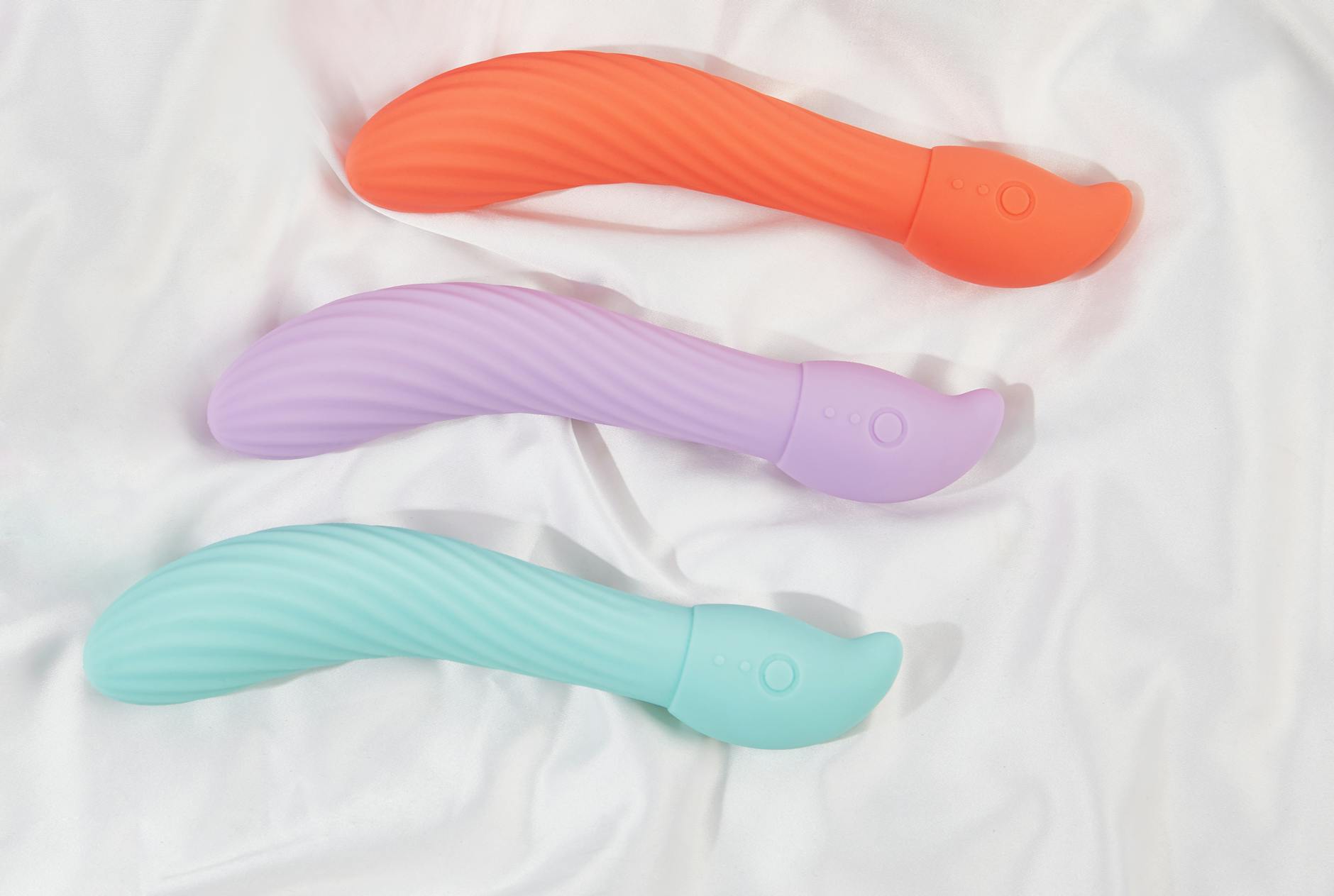
Photo by IFONNX Toys on Pexels
How to actually start if you're nervous
If you haven't prioritized your own pleasure in ten years, holding a toy in your hand can feel weird. Awkward. Like something you're supposed to want but don't actually. That's normal. Give it time.
Start alone. Not because partnered pleasure is off the table, but because you need to rebuild trust with your own body first. When it's just you and the lem, there's no performance. No waiting for someone else's rhythm. No checking in. Just sensation.
Set a time when you won't be interrupted. Close the door. You don't need candles or music or any of that. You need privacy and permission.
Start with the lowest pattern. The lem has multiple intensity levels. Resist the urge to jump to high settings. The goal isn't to force an orgasm. The goal is to notice what feels good. That might take twenty minutes. It might take five sessions before anything registers as "good."
If nothing happens, that's also fine. This is about rebuilding a pathway, not about immediate results.
Why the lem works better for low-desire bodies
When desire is low, sensitivity is often low too. Your body isn't as easily stimulated. You need either more time or different sensation. Traditional vibrators buzz. That creates noise and general vibration that can feel overwhelming or numb on skin that's already less responsive.
A lemon sucker uses pulsing air. It creates rhythmic suction that stimulates the clitoris without the harsh buzz of traditional toys. The sensation is gentler but often more intense at the same time. That paradox is useful for bodies that have forgotten how to respond.
Most of my clients over 50 report that they had stronger orgasms with the lem than they'd had in years. Not because the toy is magic. Because the sensation pattern actually works with how their nervous system responds at this stage of life.
Rebuilding desire in a partnership
If you're with a partner, having your own pleasure practice changes the dynamic. You're not waiting for them to initiate. You're not performing. You're not trying to want something you don't want yet.
When you do come back to partnered sex, you're doing it from a place of "I remember what pleasure feels like" instead of "I'm supposed to want this." That shift rewires the relationship.
Start by telling your partner what you're doing. Not as an apology or explanation. Just as information. "I'm going to spend some time reconnecting with what feels good to me. I'll let you know when I'm ready to bring that back to us." Most partners respond with relief. They've been waiting for permission to stop performing too.
The three-week rule
I tell most clients: don't evaluate results until three weeks. Your body and brain need time to register that pleasure is something that's happening again. After three weeks, check in with yourself. Are you thinking about pleasure more? Do you have moments where you feel a spark? Are you more present in your own body?
Those are the signs it's working. Not the orgasm. The willingness to feel.
After three weeks, if you're not noticing anything, that's when you might consider whether hormonal support could help. A gynecologist who specializes in midlife women can discuss topical estrogen or testosterone therapy. But often, the lem alone is enough to restart the system.
What happens when desire comes back
It won't look like it did at twenty-five. It'll look like curiosity. Like moments where you think about it without pressure. Like letting your partner touch you and actually noticing it instead of thinking about the grocery list.
That's the point. Not to force yourself back into the person you were, but to become someone new who actually wants pleasure again.
FAQ: Low Libido After 50 and Using Clitoral Vibrators
Is low libido after 50 normal?
Completely. Desire shifts for most people around menopause and after. Hormonal changes, life transitions, relationship patterns, and changes in how your body responds to stimulation all contribute. You're not broken or defective. You're experiencing a normal life stage. The fact that nobody talks about it doesn't mean it's not happening to millions of people.
Can a lemon vibrator actually fix low libido?
Not fix, but reset. A lem vibrator can help wake up nerve endings and restart the dopamine feedback loop that drives desire. It's a tool that works with your body's current physiology, not against it. But the actual work is rebuilding your relationship with pleasure over time.
How long does it take to feel a difference?
Three to four weeks of consistent use is when most people start noticing shifts. But "noticing" might mean thinking about pleasure more, feeling more present in your body, or becoming curious again. It rarely means an immediate orgasm. Give yourself at least a month before evaluating whether it's helping.
Should I use the lem alone or with my partner?
Start alone. Your body needs to remember what it feels like to seek pleasure for itself, not for someone else. Once you've reestablished that pathway, bring it into partnered sex if you want. Many couples find that individual pleasure practice actually strengthens their connection because there's less pressure and more genuine desire.
What if I have hormonal changes that make it hard to feel anything?
That's when a conversation with a menopause-trained gynecologist matters. Topical estrogen creams, testosterone therapy, or other hormonal supports can help if low sensation is the main barrier. The lem works best when your nervous system is responsive enough to feel it. If hormonal shifts have made that difficult, addressing those first often makes tools like the lem more effective.
Can my partner be involved in this process?
Yes, but timing matters. Let yourself explore alone first so you know what you actually feel. Then, if you want to, bring your partner in. You might use the lem while they're present, or you might use what you've learned about your body to guide them. The key is moving from "I have to want this" to "I want to explore this together."
The real thing you're rebuilding
Low libido after 50 isn't a problem to solve. It's a signal that something needs to change. Maybe it's the way you're approaching intimacy. Maybe it's disconnection in your relationship that's showing up as disconnection from pleasure. Maybe it's just that your body needs different stimulation than it used to.
A lemon clitoral vibrator like the lem can help you explore that shift without pressure. It's a way of saying: pleasure is still possible. You're still capable. Your body still deserves to feel good.
If you're ready to explore what works for your body now, we're here. Check out our buying guide or reach out with questions at /contact.