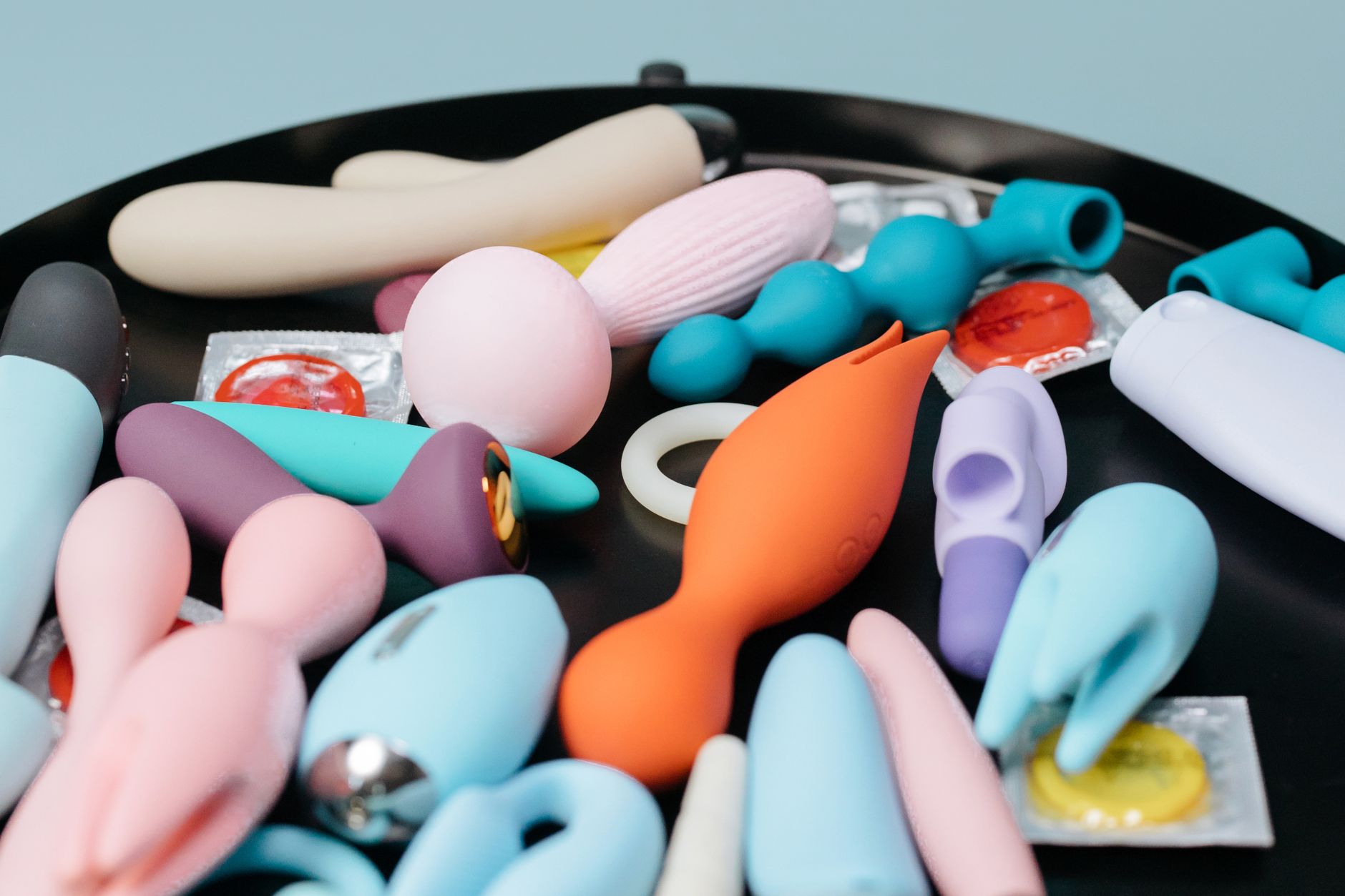
Here's the thing about lemon vibrators and soreness
You want strong orgasms. You also don't want your tissues feeling rawked afterward. These two things shouldn't be mutually exclusive, but the toy market makes them sound that way. Either you get intensity with friction (ow), or gentleness with weak stimulation (boring). Lemon vibrators sit in a smarter middle ground.
Unlike traditional vibrators that buzz directly against tissue, lemon sexual toys use suction or air-pulse technology to create sensation without the same grinding pressure. That matters if you've ever finished and then spent the next day feeling tender, irritated, or downright sore.
Why lemon clitoral vibrators work differently
The Lem and similar lemon sucker designs work by creating a gentle seal around the clitoris and then using rhythmic suction to stimulate the broader network of nerve endings. Think of it less like a vibrator and more like a concentrated suction cup that pulsates. This means the sensation spreads across a larger area of tissue rather than hammering one spot with high-frequency buzz.
Traditional bullet vibrators and wand vibrators concentrate all their power into a small surface area. Over time, that direct contact can cause irritation, especially if you're using higher intensities or going longer than 20 minutes. The lemon clitoral vibrator approach distributes the work differently. You get intensity without the microtrauma.
This is why many people with sensitive vulvas, chronic pain conditions, or skin conditions like lichen sclerosus find lemon vibrators genuinely transformative. You're not sacrificing pleasure for comfort. You're accessing both.
The intensity spectrum: matching yourself to the right lemon toy
Not all lemon vibrators are created equal. There's a spectrum from gentle pulse to absolutely relentless, and your sensitivity level, tissue health, and orgasm style all play a role in which one lands right for you.
Low-to-medium intensity lemon vibrators feature 3 to 5 suction levels and tend to have softer silicone. These are your entry point if you've had soreness before, or if direct stimulation usually feels overwhelming. The sensation builds gradually, which also means you can spend more time exploring what actually feels good before you're already at the peak.
Medium-to-high intensity lemon sexual toys offer 8 to 10 levels with firmer silicone and faster pulse patterns. These are for people who know they like strong sensation and want variety within that range. The Lem sits here. You get the air-pulse advantage without sacrificing the "oh wow" factor.
High-intensity lemon adult toys are out there, but honestly, they're rarer because most people don't need them. If you do, you'll know. You're the person who feels nothing below level 7 on anything else, and you've never experienced soreness from any toy.
Your starting point should be medium intensity. You can always go up. You can't really un-learn the feeling of rawness.
Vibration versus suction: which actually prevents soreness
Let me separate fact from marketing here. Both vibration and suction can be sore if you're using them wrong, but they fail differently.
Traditional vibrators (including wands) create soreness through friction and repetitive impact. The buzz fatigues the tissue, irritates nerve endings, and over extended sessions, can create tiny abrasions you don't notice until the next day. It's like how your feet don't hurt while you're running, but they hurt after.
Lemon vibrators and air-pulse toys create soreness only if the seal is too tight (which is usually a fit problem) or if you're on a high intensity for longer than your tissue can handle. But because the sensation distributes more broadly, you can usually go longer at the same pleasure level without damage.
The research here is sparse, honestly, because the sex-toy industry doesn't get the same funding as pharmaceuticals. But clinically, I see fewer tissue complaints from people using suction toys than from people using high-powered wands, especially over the long term.
How to actually use a lemon clitoral vibrator without overdoing it
Start with the seal. If you're using a lemon sucker like the Lem, the silicone cup needs to create a gentle seal against your vulva. Not vacuum-tight. Gentle. Too tight and you'll feel soreness even with low intensity. Too loose and it won't work. Experiment with angles and pressure until it feels like the toy is sitting on you comfortably, not yanking.
Build intensity gradually. Start at level 1. Spend 2 to 3 minutes there. Move to level 2. This gives your tissue time to adjust and helps you actually feel the differences between settings. You're not trying to rush to orgasm. You're mapping out what each level actually does to your body.
Don't live on level 10. Intensity is a tool, not a goal. People often find their sweetest orgasms happen at level 5 or 6, not the maximum. The max is there for novelty, or for when you've been going a while and want to kick it over the edge. Not for the whole session.
Set a timer if you're prone to soreness. Fifteen to twenty minutes is plenty. Most people orgasm before 15 minutes anyway. If you're regularly going longer than 25 minutes, you're working harder than you need to. Ease off. Your pleasure doesn't need to be a marathon.
Use lubricant if the seal feels tight. A tiny bit of water-based lube on the rim of the cup makes the seal smoother and prevents the suction from pulling too hard. This is not a sign you're doing it wrong. It's smart maintenance.
Why external pressure sometimes feels better than internal sensation
Here's something worth knowing about yourself: the clitoris has over 8,000 nerve endings concentrated in the glans, plus a whole network spreading internally up into the vulva and pelvic floor. Lemon vibrators and suction toys stimulate primarily the external clitoris and the surrounding tissue. That's actually where most of your sensation capacity lives.
If you've been chasing internal vibration and feeling underwhelmed, it's not because you're broken. External stimulation is often more direct and more intense because the nerve density is higher. A lemon clitoral vibrator can feel way stronger than an internal vibrator at the same power level, partly because it's reaching denser nerve tissue and partly because there's no internal volume loss.
This is also why if you have sensitivity issues, external toys like lemon vibrators often work better than internal options. You have more control over the pressure, the pattern, and the exact location of stimulation.
Choosing between different lemon vibrator brands and styles
When you're comparing lemon adult toys, here are the actual factors that matter for soreness prevention.
Silicone softness. Harder silicone creates more precise suction but can feel aggressive. Softer silicone feels gentler but sometimes loses suction effectiveness. For soreness prevention, you want medium softness. It gives you sensation without the sharp pressure.
Pulse pattern variety. More patterns sound fun, but honestly, you'll probably use three: steady pulse, rhythmic waves, and one wildcard. What matters is that the steady pulse is actually smooth, not stuttering or aggressive. Bad pulse patterns create micro-interruptions that irritate tissue. Good ones feel continuous.
Rim design. Some lemon vibrators have textured rims, some have soft edges, some have contoured shapes. For sensitive tissue, you want a smooth, evenly-padded rim. Textured rims look fun but they concentrate pressure points, which is exactly what you're trying to avoid.
Battery life. Not soreness-related, but it matters: if your toy dies at level 5, you'll push harder to compensate. A full charge lasting at least 2 hours means you won't be juice-hunting mid-session.
Signs you're using a lemon vibrator wrong (and how to fix it)
Soreness that feels like friction burn. You're either using too much intensity too fast, or the seal is too tight. Lower the intensity by two levels and use a tiny bit of lube on the rim.
Numbness or tingling afterward. You've been at it too long or too intensely. Cut your session short next time. Numbness means the tissue is fatigued.
Feeling nothing even on high levels. The seal is bad. Adjust the angle, soften your pressure, or add a drop of lube.
Soreness that feels deep, not surface-level. You might be bearing down too hard with your pelvic floor. Try relaxing your abs and thighs. Tension makes everything feel sore.
Making the switch from traditional vibrators to lemon toys
If you're coming from years of bullet vibrators or wands, your tissue has probably adapted to that intensity level. When you switch to a lemon clitoral vibrator, the first few times might feel less intense, even though objectively it's more powerful. That's normal. Your nerve endings are recalibrating.
Give it three sessions before you judge. By session three, you'll usually realize the sensation is actually deeper and more complex than the buzz you were used to. You're not losing intensity. You're trading one kind of intensity for a better-designed one.
And here's the practical benefit: when you switch to lemon vibrators, the soreness usually stops within a week. That alone tells you something about tissue health.
FAQ
Can lemon vibrators cause tissue damage if used incorrectly?
Lemon vibrators are designed to be gentler than traditional vibrators, but yes, any toy can cause irritation if used wrong. The main risks are over-tightening the seal (which increases pressure) and using maximum intensity for extended periods. If you follow the guidelines in this post, tissue damage is unlikely. If you do experience persistent irritation, see a vulvovaginal specialist. It might be a seal issue, not a toy issue.
How often can I use a lemon clitoral vibrator without soreness?
Daily is fine if you're using proper technique and moderate intensity. Many people use them daily without problems. The key is not spending 30+ minutes at level 8 every single time. Variety matters. Some days you use level 3 for 15 minutes. Some days you use level 6 for 10 minutes. Your tissue needs a mix.
Do lemon vibrators feel different than regular vibrators during partnered sex?
Yes. Most lemon vibrators are designed for solo use because the seal requires a specific angle and pressure that's hard to manage with a partner. Some couples use them during foreplay before penetration, which works well. If you want a toy for partner play, a traditional vibrator is usually more practical.
Is there a "best" lemon vibrator for sensitive tissue?
The Lem is genuinely well-designed for sensitive vulvas because the silicone is medium-soft and the suction pattern is smooth rather than aggressive. But individual sensitivity varies. What matters more than the specific brand is that you: start at low intensity, use plenty of lube, and never spend longer than 20 minutes in one session. Those three things matter more than which toy you pick.
Can I use a lemon vibrator if I have a condition like lichen sclerosus or vulvodynia?
Maybe. Some people with these conditions find suction toys more comfortable than vibrators. Others find any direct pressure aggravating. The only way to know is to try with a lubricant and very low intensity. If it hurts, stop. If it feels okay, you might have found your thing. Always check with your vulvovaginal specialist first if you have a diagnosed condition.
What's the difference between a lemon vibrator and a clitoral suction toy?
They're usually the same thing. Lemon vibrators, clitoral suction toys, and air-pulse vibrators all use suction-based stimulation rather than traditional vibration. The naming is mostly marketing. The technology is the same.
The bottom line
Choosing the right lemon clitoral vibrator means matching intensity to your tissue sensitivity, using proper technique, and resisting the urge to go harder faster. The whole point of lemon vibrators and other suction toys is that you don't have to choose between strong sensation and tissue comfort. You can have both. You just have to use them right.